Manchester students move to Stockport and Bolton as rents stretch budgets
Students describe moving out of Manchester to cut housing costs, as proposed university accommodation rent rises reach 5% for 2026/27.
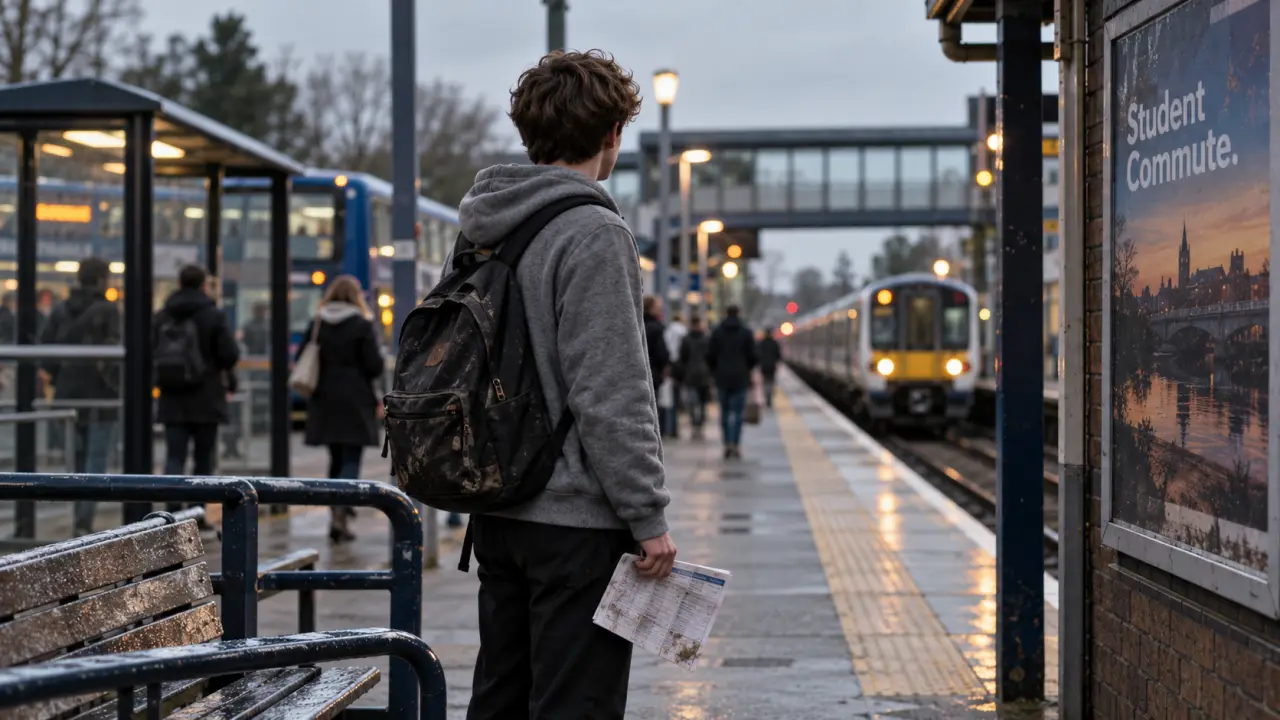
Manchester students are choosing longer journeys from Stockport, Bolton and Horwich because they say city centre rents and student accommodation are beyond their budgets.
For 2026/27, proposed accommodation rent rises at the University of Manchester are 3% for properties it owns and 5% for those it leases. Only 34% of students say their maintenance loan meets their rent.
Lower rent, longer journeys
Aazim Muhammad, a third-year computer science student at the University of Manchester, said moving to Stockport more than halved his rent. He had been paying nearly £1,200 a month before the move.
He said his former accommodation was fully booked for the next academic year. He and his flatmates were asked to leave without a chance to book again.
Stockport offers cheaper rents, shared family homes and direct bus and rail connections. Rail journeys into central Manchester can take about 10–15 minutes. Students can spend around £30–£45 a week on trains despite discounts, totalling £900–£1,350 across a 30-week academic year.
Third-year history student Srinija Comundor has spent eight months living in Bolton. She said her previous student accommodation cost nearly £182 a week. She moved during her placement year because studying on a student visa meant she could not take on more paid hours.
Amelia Long, a second-year architecture student at Manchester Metropolitan University, lives rent-free with her grandmother in Horwich. Her journey starts with a walk of nearly 25 minutes to the station. She also works at a museum café and often reaches home after 7pm.
“I barely get any time to myself or to even work on my assignments because of the commute,” Amelia said.
Support for commuters
The University of Manchester says around 10% of its students live with a parent or guardian, a proportion broadly stable over a decade. It does not separately count commuter students, and its figures do not explain why students live at home.
Its Commuter Hub offers peer mentoring, a support team, campus spaces, financial and travel guidance, and wellbeing support. It also directs students towards help from the Students’ Union.