Houses for sale Manchester: 4 checks before booking a viewing
Planning to buy in Manchester? Use these 4 checks—location boundary, true asking price, listing verification, and home vs investment logic—before you book a viewing.
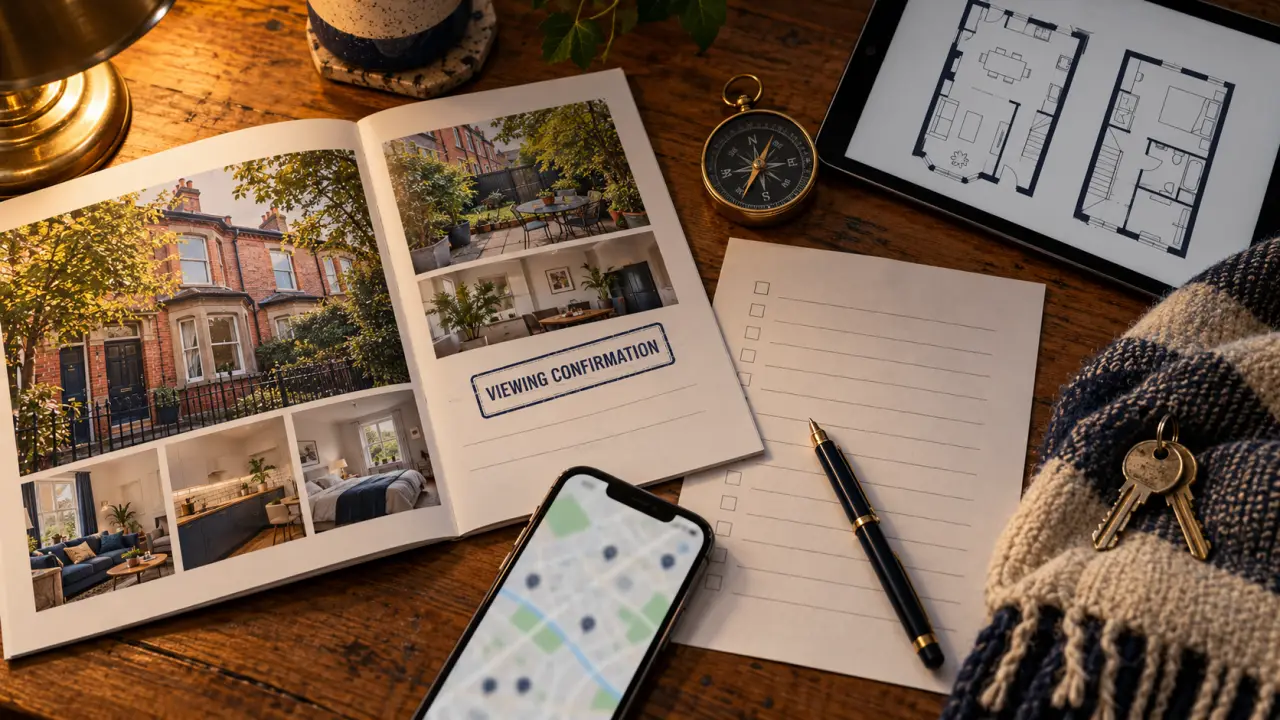
Start your Manchester property search with a clear location, a spending limit and a shortlist of essentials. This guide focuses on Manchester, UK, rather than its US namesakes. It is a buying checklist, not a live property feed: confirm availability and the latest asking price with the estate agent before arranging a viewing.
Set the boundary before comparing houses for sale in Manchester
Decide whether your search means Manchester itself or a wider Greater Manchester area. Check each property’s full address and postcode rather than relying on the location heading in a search result. Keep homes outside your preferred boundary in a separate shortlist so that distance does not disappear behind an attractive photograph.
Check Sold Property Prices in England and Wales – Use HM Land Registry’s official service to find out how much properties have sold for.
Build your filters around everyday requirements: maximum budget, minimum bedrooms, bathrooms, property type and outdoor space. Separate essentials from preferences. If a garden is essential but an extra reception room is optional, make that distinction before browsing.
For each possible location, test the journeys you would actually make. Plan a visit around your usual commuting time and check the route to shops, childcare or other regular destinations. Avoid choosing an area solely on the strength of a listing description.
Compare the asking price with the whole property
Record the price wording exactly, including “guide price”, “offers over” or “offers in region of”. Ask the agent to clarify the seller’s expectations rather than treating differently labelled prices as directly equivalent.
- Space: compare floor plans, usable room dimensions and storage, not just bedroom counts.
- Condition: note visible repairs and ask what work has been carried out.
- Running costs: request energy information, council tax details and any recurring property charges.
- Practical features: confirm parking arrangements, access and what outdoor space is included.
If the move depends on a new role, settle the employment questions alongside the housing budget. The Homes & jobs application checklist can help organise that part of the decision without mixing a hoped-for salary into your confirmed spending limit.
House for sale Manchester: verify the listing before viewing
Before travelling, ask whether the property is still available, whether viewings are being arranged and whether the advertised price remains current. Request the floor plan and clarify any missing details, including tenure, occupancy and the seller’s position.
Treat your saved web listings as a version history rather than a mood board. Record the address, agent, price wording and date checked in a simple spreadsheet. If the same home appears through several search results, group those entries together. This helps you spot conflicting descriptions and ask which information is current, instead of accidentally comparing one property with itself.
At the viewing, use the same checklist for every home. Note room usability, daylight, storage, noise and visible condition. Photograph areas of concern with permission and send unanswered questions to the agent afterwards.
Separate a home purchase from an investment calculation
For a home, rank daily suitability above promotional labels such as “luxury” or “premium”. Ask whether the layout works with your furniture, whether access suits your household and which compromises you would still accept after the excitement of viewing.
For an investment, request the assumptions behind any projected rental yield. Ask for the proposed rent, expected costs, occupancy assumptions and supporting evidence. Keep projected income separate from confirmed income, and have the legal position and property condition checked by appropriate professionals before committing.